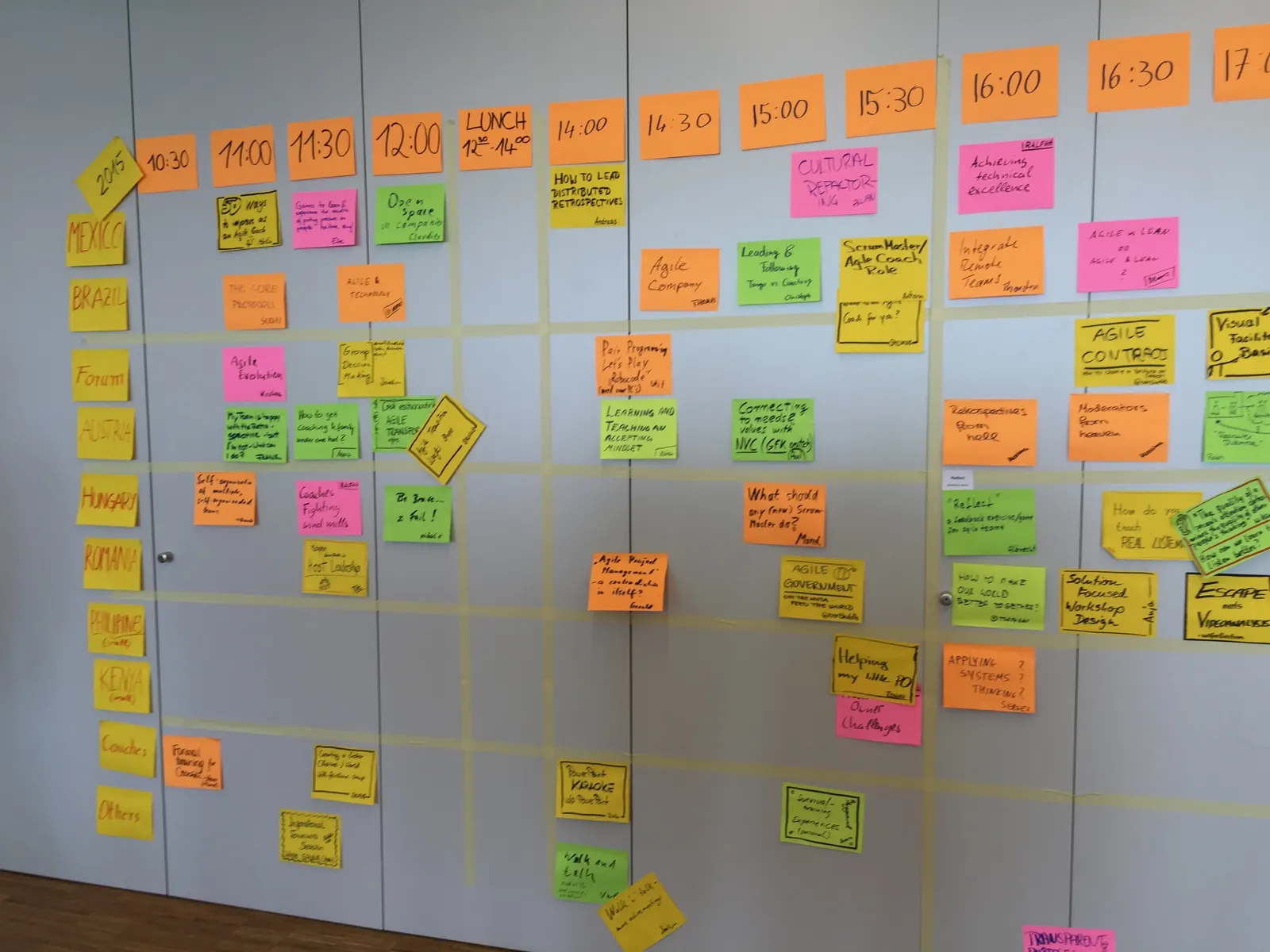
The agenda: yours
Agile Coach Camp Germany is an open space. There is no programme, no call for papers, no keynote, and nobody selling anything from a stage. The agenda is created by the people in the room. So we discuss the topics everyone brought: a new thought, an experiment that worked, a failure worth taking apart, a question, a new workshop design.
If you are looking for a conference where you just sit and listen, this is not it.
Open space, in five principles and one law
The format is called Open Space Technology, and it rests on a few principles:
- Whoever comes are the right people.
- Whatever happens is the only thing that could have.
- Whenever it starts is the right time.
- Wherever it happens is the right place.
- When it is over, it is over.
And one law, the Law of Two Feet: if you are neither learning nor contributing where you are, use your two feet and go somewhere you can.
Harrison Owen, who devised the format, wrote a Brief User's Guide that is a very good description of how it works.
How a camp runs
The camp runs from Thursday to Sunday.
Arrival. People arrive on Thursday from midday on. Dinner together follows, and in the evening the camp opens.
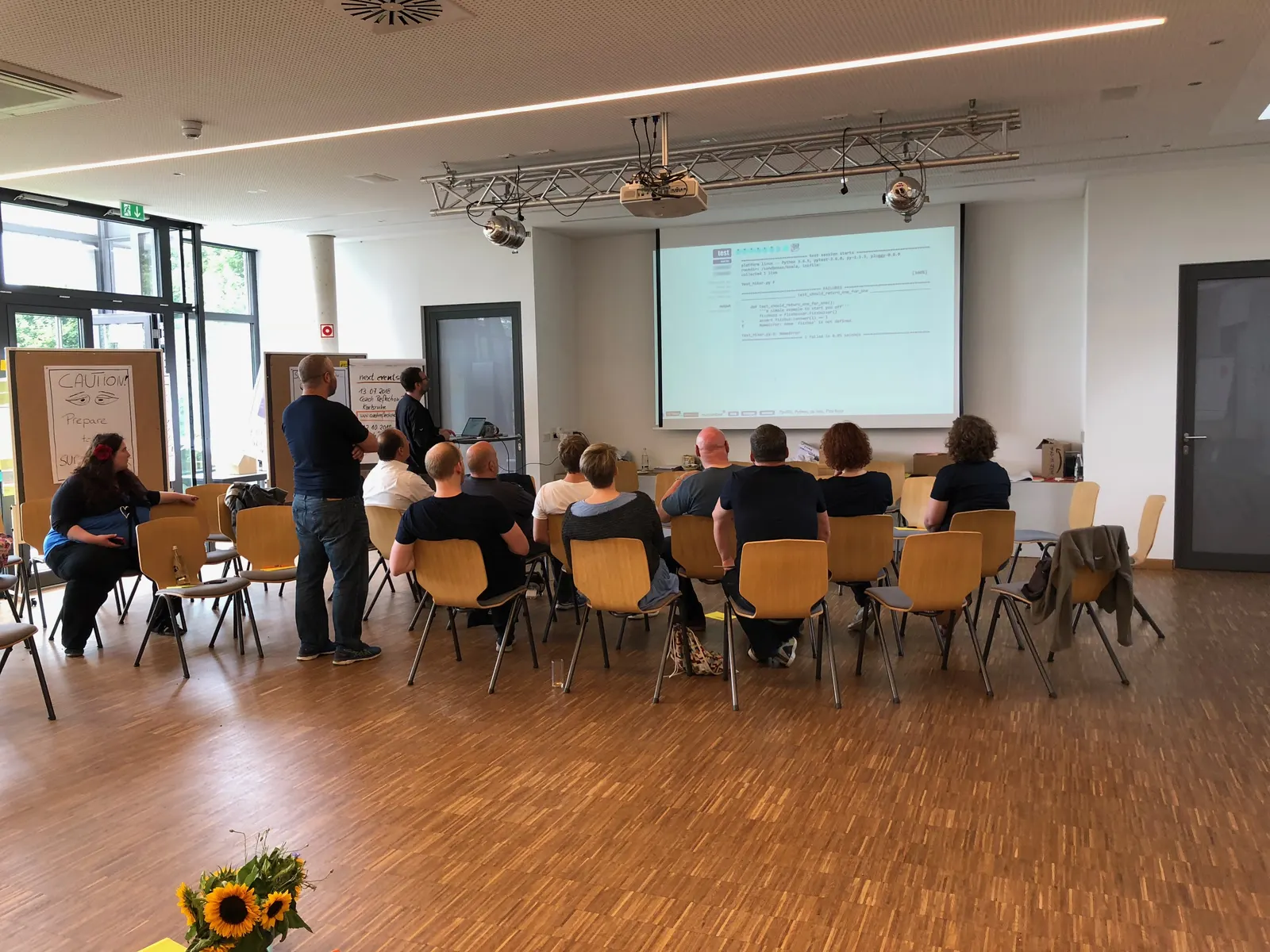
The open space days. The agenda is not made once for the whole weekend. The open space meets again and again, every day, and each time everybody who wants to host a session puts it on the wall for the hours ahead: lately one round for the afternoon and evening, and one for the following morning. Sessions run in parallel, in the meeting rooms, in the garden and on the lawn, with lunch in between. You go where you can contribute or learn the most, and the Law of Two Feet applies: if you are neither contributing nor learning, walk to somewhere you can. The camp is what you make it.
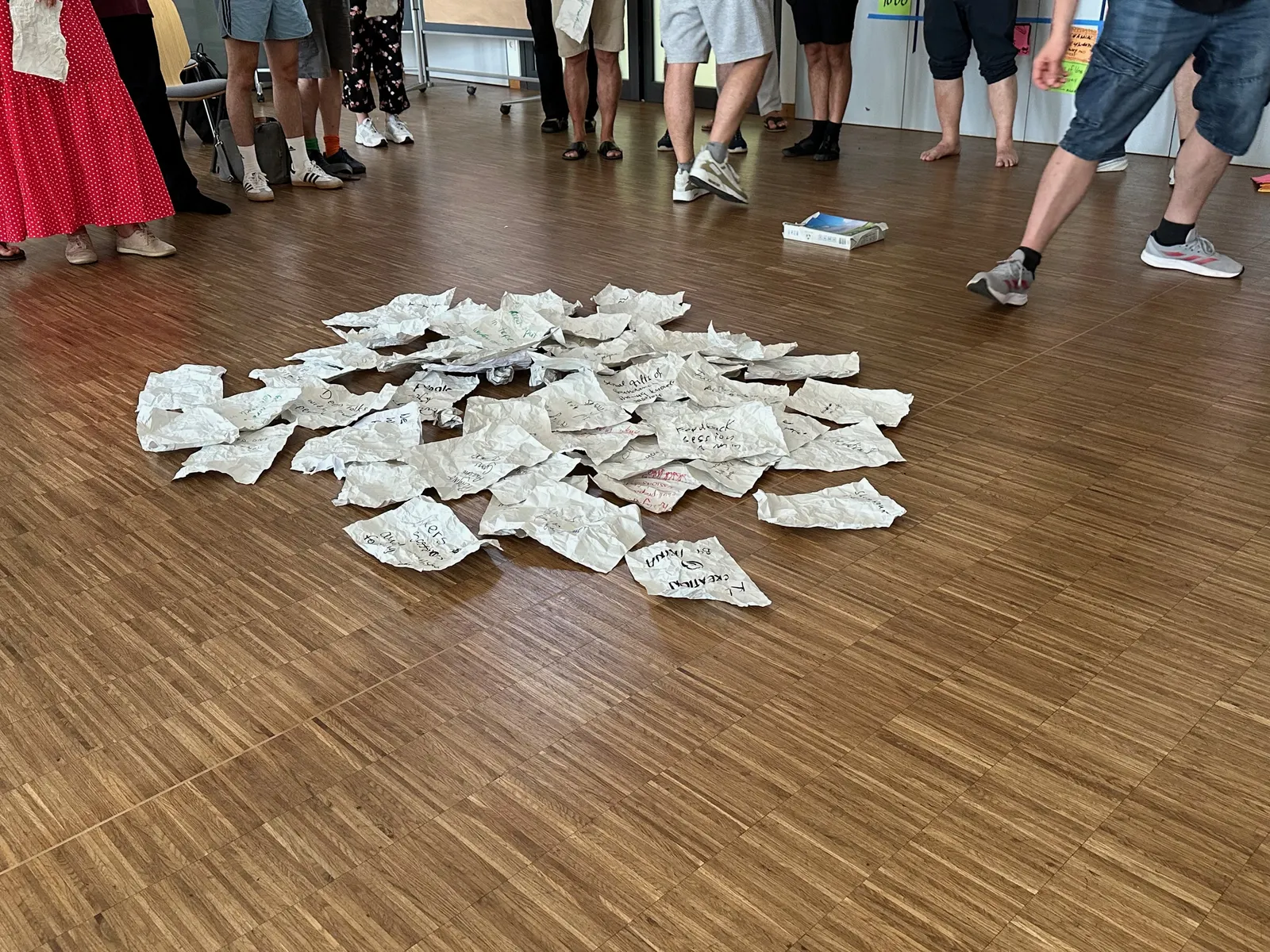
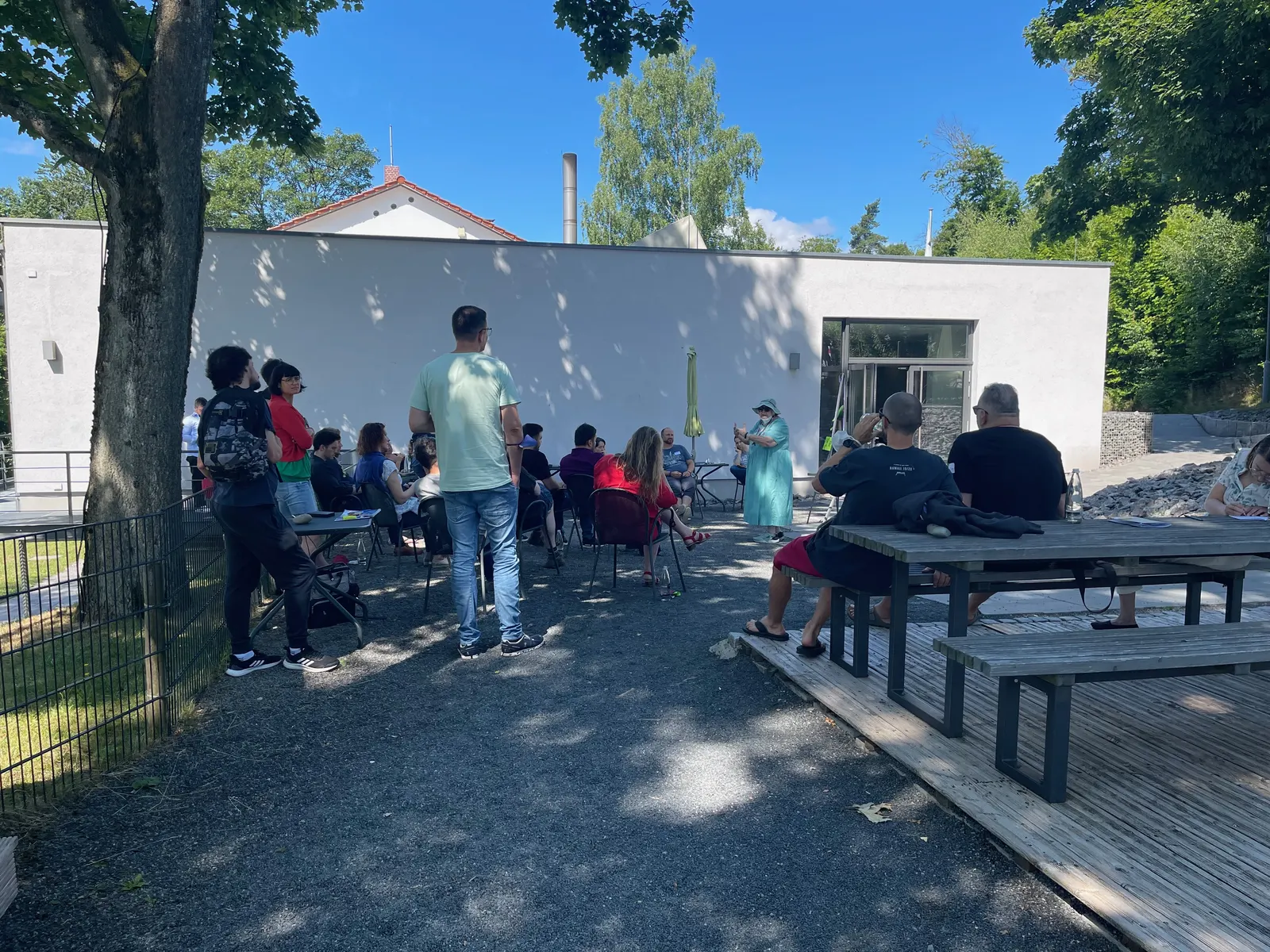
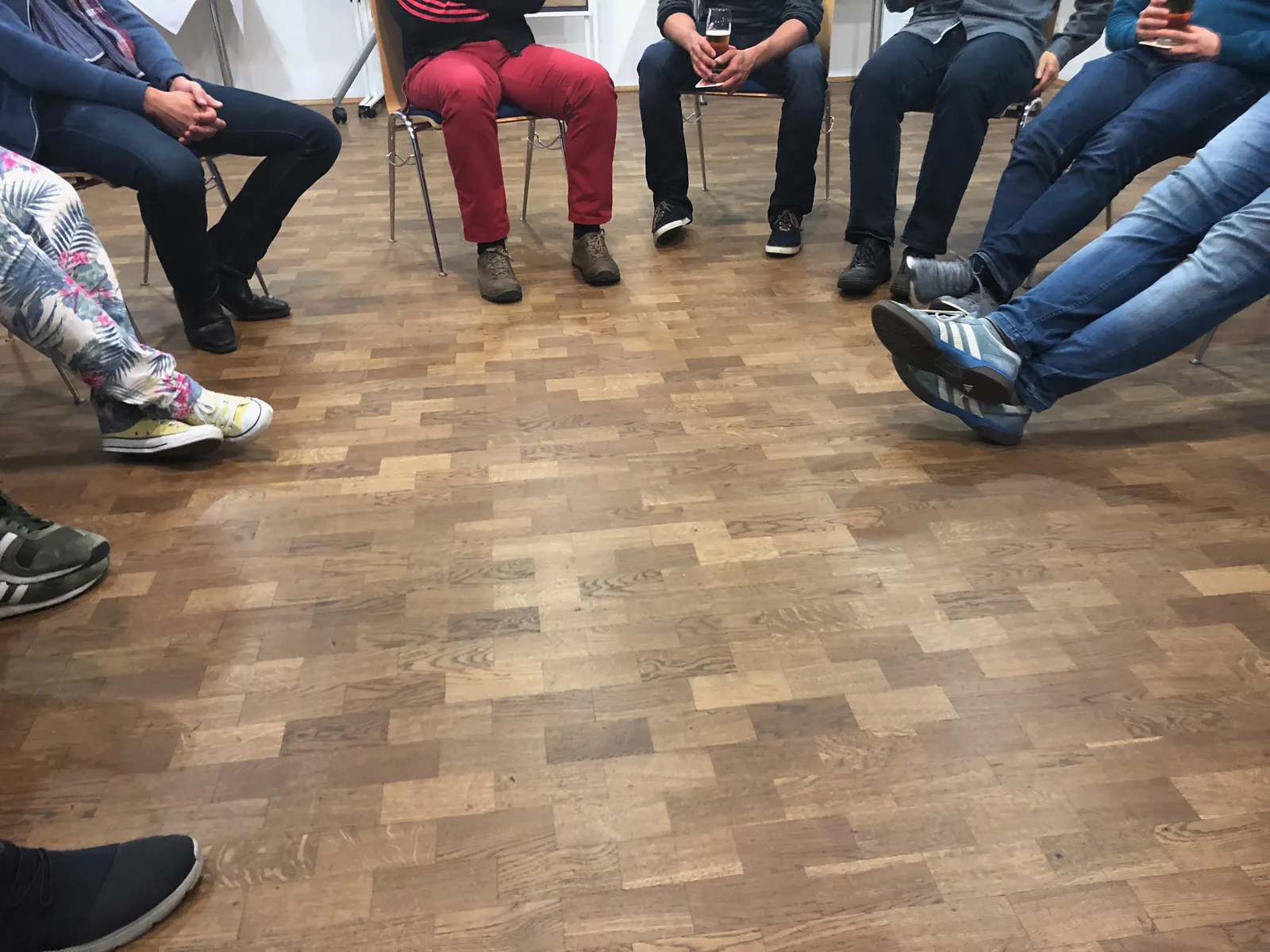
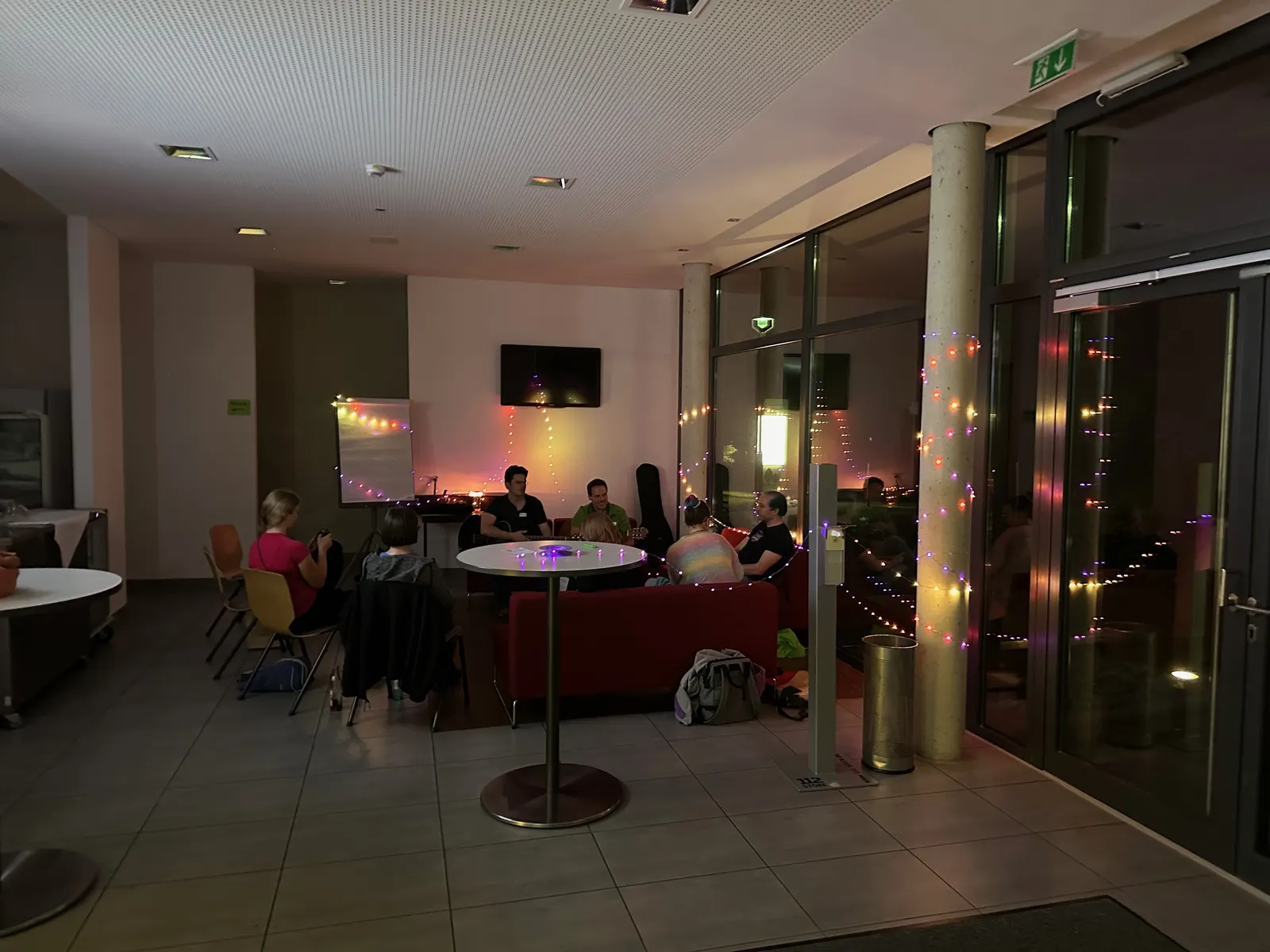
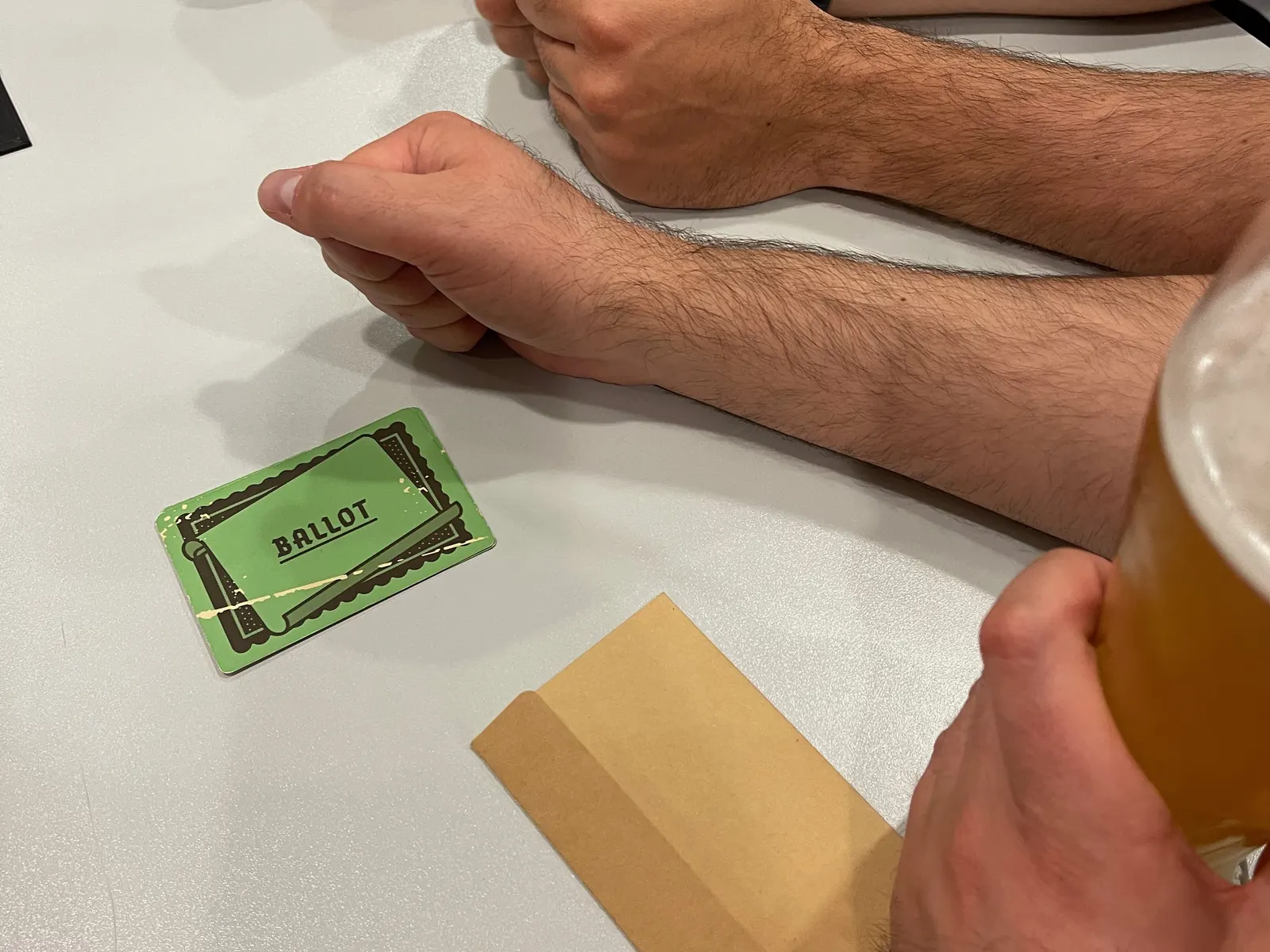
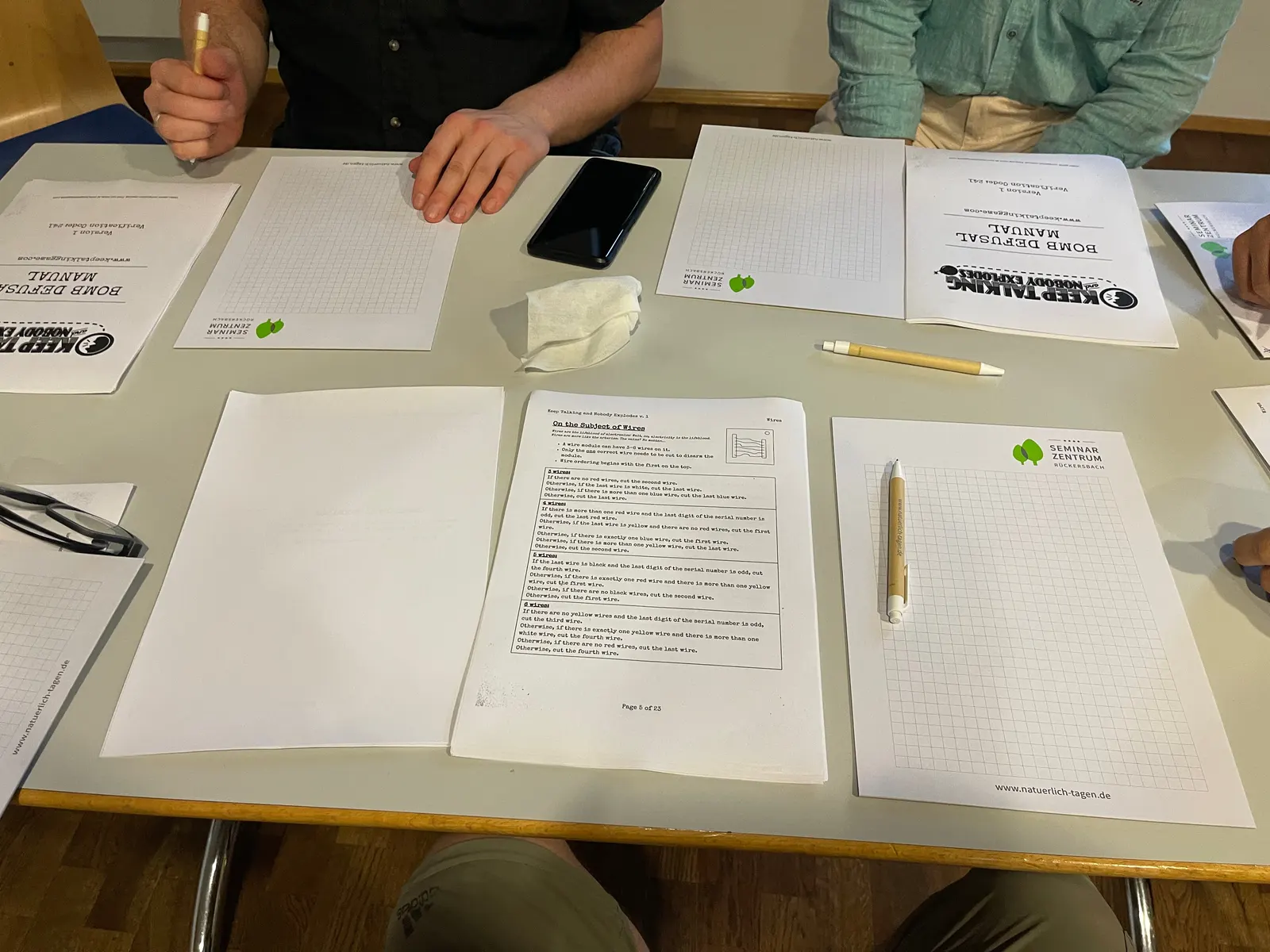
The evenings. Conversations that run long, games, music, a walk. Bring your instrument, your favourite game, your running shoes.
The mornings. Some prefer to get up early, go for a jog, hold a meditation session in the pavilion, or do some yoga. Do whatever floats your boat, whenever it floats your boat.
Sunday. The open space closes at lunchtime. Then come the goodbyes, which for some take longer than planned. That is why there is usually cake and coffee in the afternoon.
Who comes
Agile coaches, Scrum Masters, facilitators, consultants, managers, developers, product people: anyone whose work is helping other people work better together. Many have been coming for years; a good share of every camp is there for the first time. In 2019, 110 people applied for a place.
What they have in common is that they come to take part, not to consume.
What is included
Your ticket covers your room, all meals including water, coffee breaks, meeting rooms and materials. You will have to pay for other drinks if you choose to have them. You pay directly at the venue when you leave.
Our sponsors' contributions lower the price for everyone. The camp is organized by volunteers, so no money is used for anything else.
Registrations open here soon.
What we expect
Come prepared to give something. That doesn't mean a polished talk: a question you genuinely want to work on can be worth more than a presentation. The camp is as good as what the people in it bring.